Sustainability
Sustainability is commonly defined as meeting the needs of the present without compromising the ability of future generations to meet their own needs. At Crane Company, we interpret this concept through the lens of our environmental initiatives, emphasizing the critical relationship between our operations and the environment. This perspective underscores our commitment to minimizing our environmental footprint while contributing to a more sustainable future.
As a responsible corporate citizen, we recognize the importance of reducing our reliance on natural resources and mitigating our environmental impact. Acknowledging that resources are finite, we are committed to addressing the broader risks associated with environmental sustainability – risks that extend beyond our own operations. To that end, the Company has integrated climate-related physical and transition risk factors into the Enterprise Risk Management process conducted annually for all businesses. This ensures that potential climate-related impacts, such as extreme weather events, regulatory changes, and market shifts, are systematically evaluated and addressed as part of our overall risk management framework.
Sustainability is ingrained in our operational philosophy, aligned with our commitment to lean manufacturing and resource efficiency. By establishing clear metrics and tracking progress, we continue to identify new opportunities to enhance environmental stewardship while advancing our business strategy. As part of this commitment, we are actively working toward our 2030 sustainability targets, reinforcing our dedication to long-term environmental sustainability.
2030 Sustainability Targets

20%
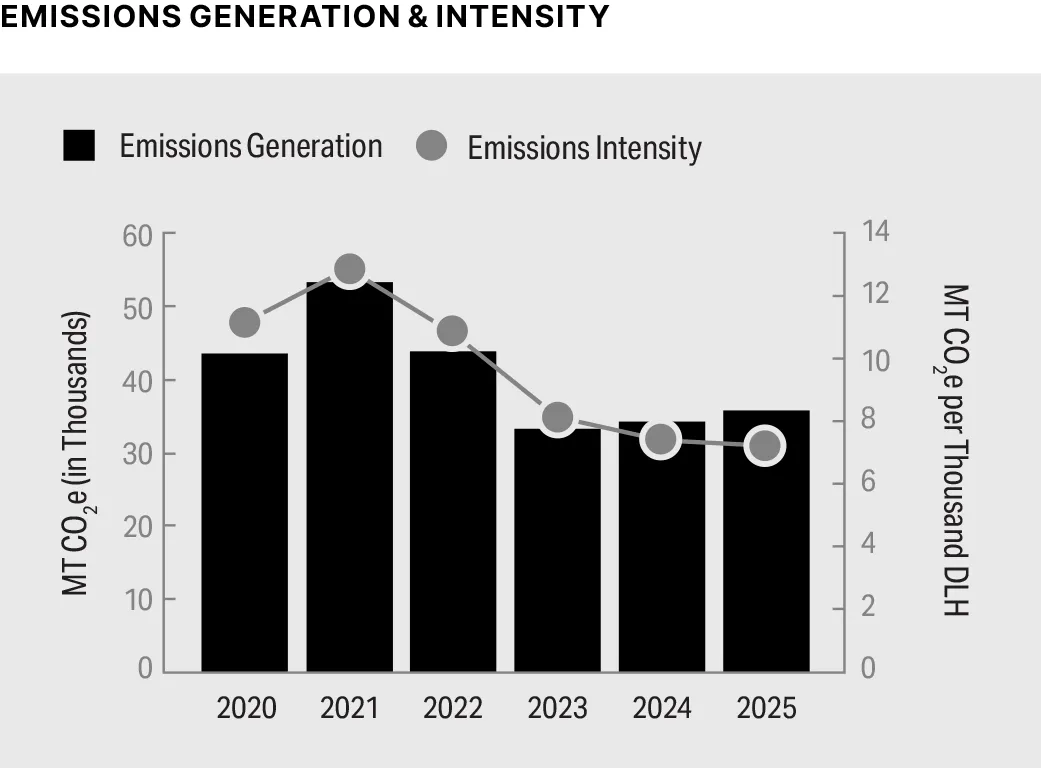
Reduction in Scope 1 and Scope 2 emissions intensity by 2030 (2020 baseline)
10%
Reduction in Scope 1 and Scope 2 emissions intensity by 2030 (2026 baseline)

20%
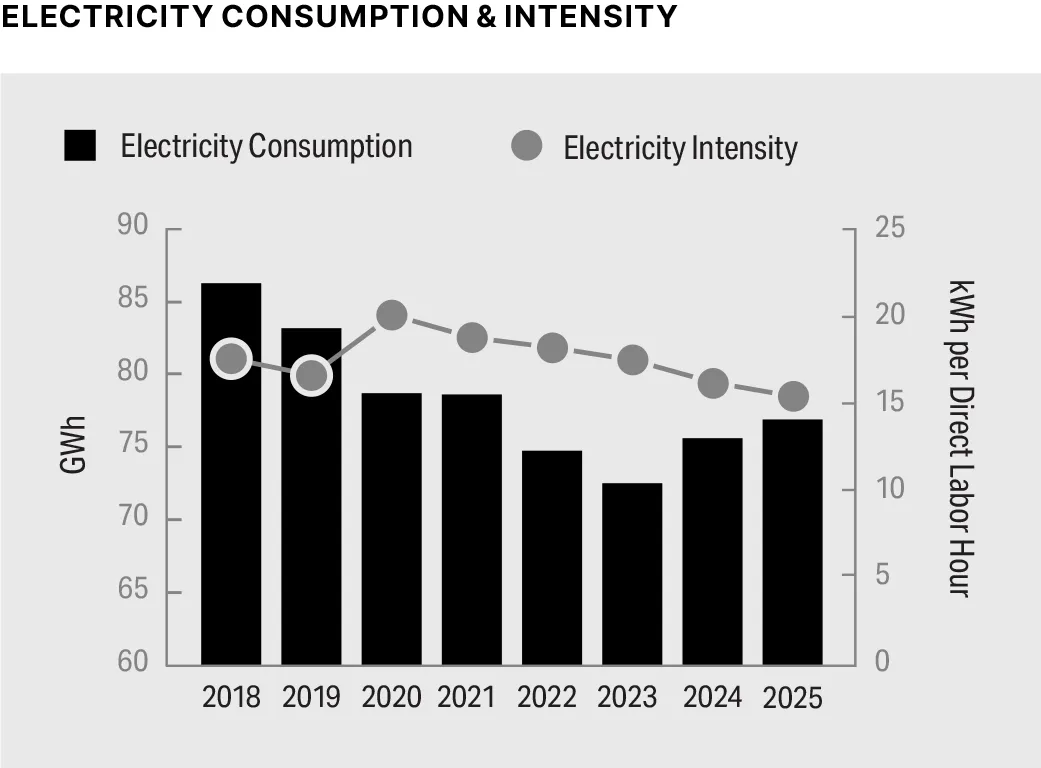
Reduction in electricity intensity by 2030 (2018 baseline)

15%
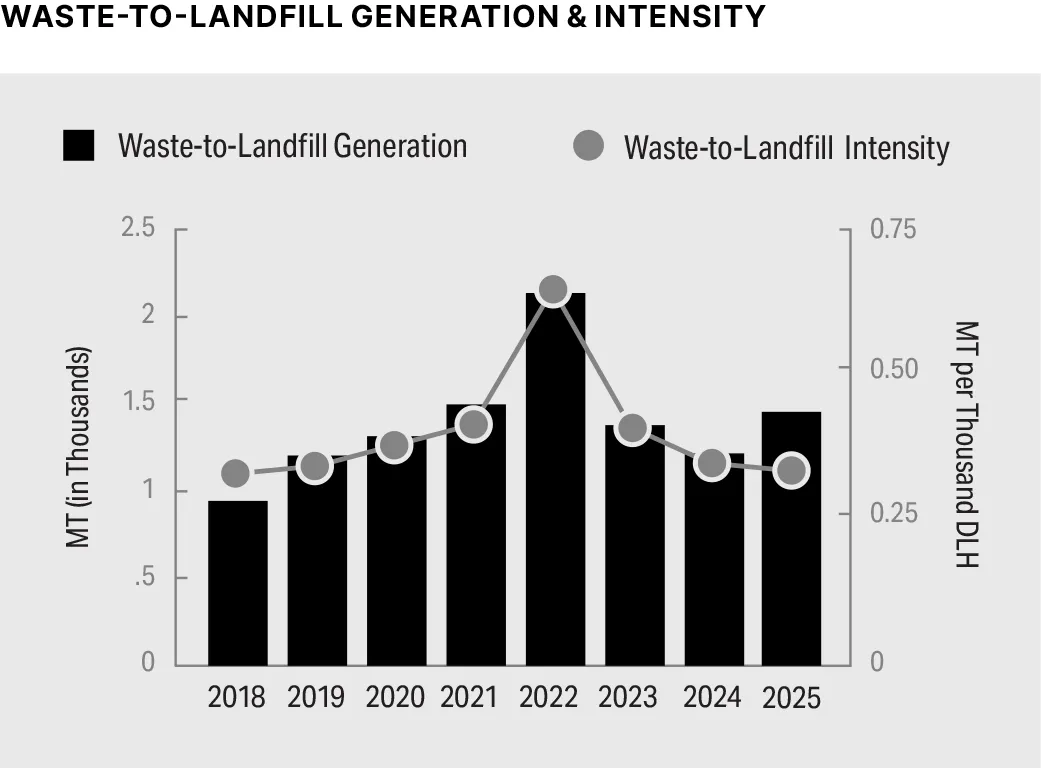
Reduction in waste to landfill intensity by 2030 (2018 baseline)

10%
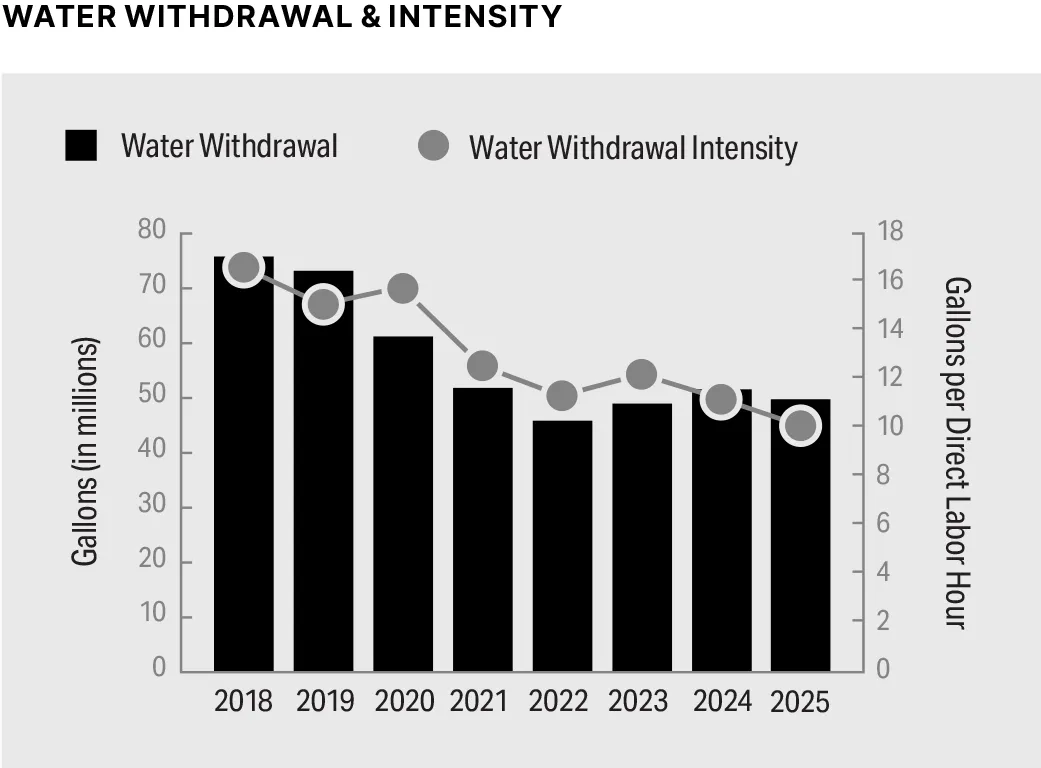
Reduction in water intensity by 2030 (2018 baseline)

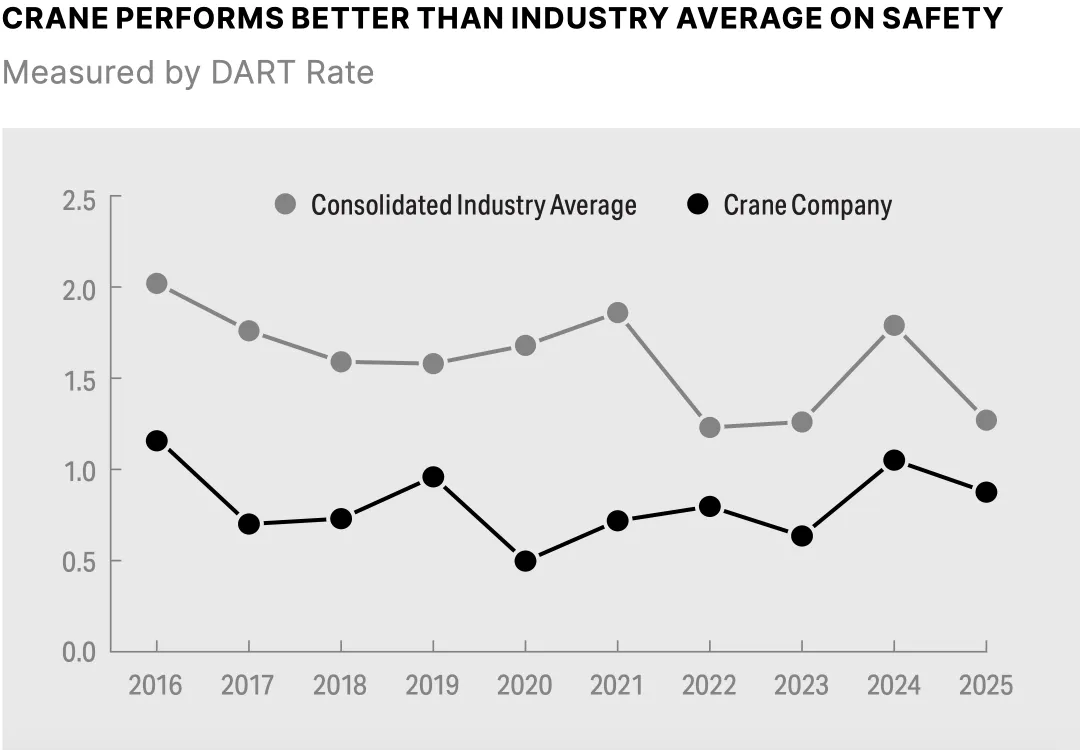
Safety is a #1 Business Priority

0.87
DART Rate 31% lower than the industry benchmark

0
Work-Related Fatalities over two decades
2025 Sustainability Statistics
Electricity Reduction Highlight
Demand-driven cooling: system upgrade powers efficiency and resilience
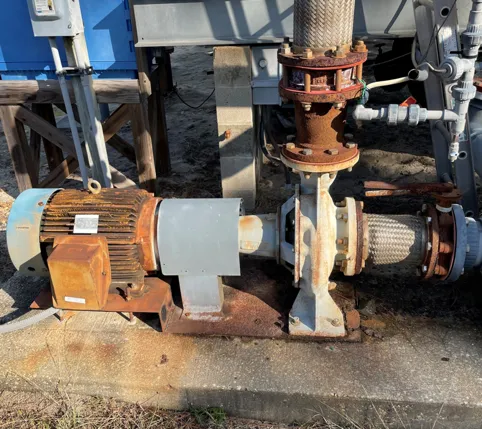
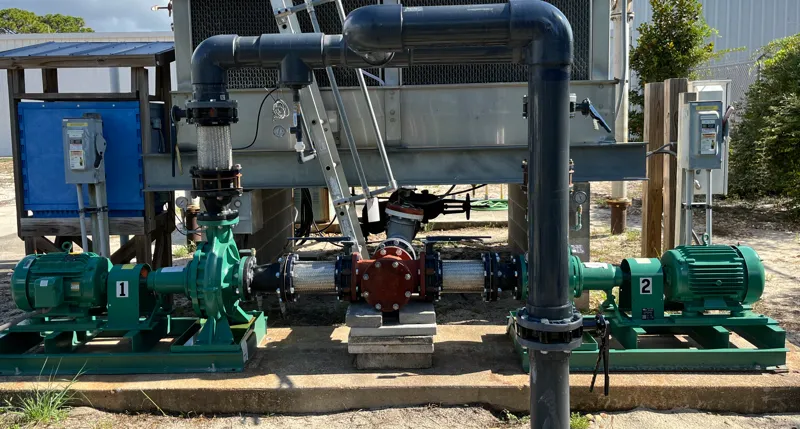
As part of Crane’s enterprise-wide commitment to cut electricity consumption and associated emissions, we are investing in efficiency upgrades that optimize performance and reliability. Our Aerospace & Electronics site in Fort Walton Beach, Florida, has recently completed a comprehensive modernization of the cooling tower system that serves approximately 90% of the building’s cooling demand. The cooling tower is a critical component of the facility’s HVAC system, responsible for dissipating heat and maintaining stable indoor temperatures in a hot and humid climate. Prior to the installation of Variable Frequency Drives (VFDs), the system operated at full capacity without the ability to modulate output in response to actual demand, resulting in elevated electricity consumption and increased wear on equipment. Limited redundancy and control made the system vulnerable to failures, a risk highlighted by recent equipment issues and the deteriorating condition of existing assets.
VFDs were selected to address these challenges because they allow pump and fan motors to operate at variable speeds, closely matching output to real time cooling demand rather than running at full load at all times. In the cooling tower application, this modulation reduces unnecessary electricity use during periods of lower demand while maintaining consistent thermal performance. By lowering motor speed when feasible, the VFDs also reduce mechanical stress, supporting longer equipment life, smoother operation, and fewer unplanned disruptions. In addition to these operational benefits, improved cooling stability is especially important for Fort Walton Beach’s hot and humid climate, helping ensure that associates remain safe and comfortable throughout the year.
Because full operation was only recently achieved, a complete post-installation analysis of electricity consumption has not yet been finalized. However, VFDs in HVAC applications typically yield electricity reductions in the range of twenty to fifty percent, depending on operating conditions and prior inefficiencies. Using a conservative estimate of thirty percent energy savings, we expect a meaningful reduction in electricity use compared to historical baselines. Assuming prior annual electricity costs of approximately $50,000 for the cooling tower system, the projected annual cost savings are about $15,000, with additional financial benefits anticipated from reduced maintenance needs, fewer unplanned shutdowns, and extended equipment lifespan.
Beyond energy and cost savings, the upgrade materially improves reliability and performance. Replacing aging pumps and motors and adding redundancy substantially reduces the risk of system failure and associated impacts to building operations. VFD control enhances responsiveness to fluctuating cooling demands, ensuring stable performance while optimizing energy use. Collectively, these improvements strengthen our infrastructure, reduce operational risk, and advance our long term sustainability objectives. As performance data is collected throughout 2026, we expect to demonstrate measurable and sustained reductions in electricity consumption and associated emissions.